Why Your Golf Swing Needs A Fitness Assessment!


Many golfers spend years chasing new methods, buying new equipment, or copying the latest tip on YouTube—yet their swing never truly improves.
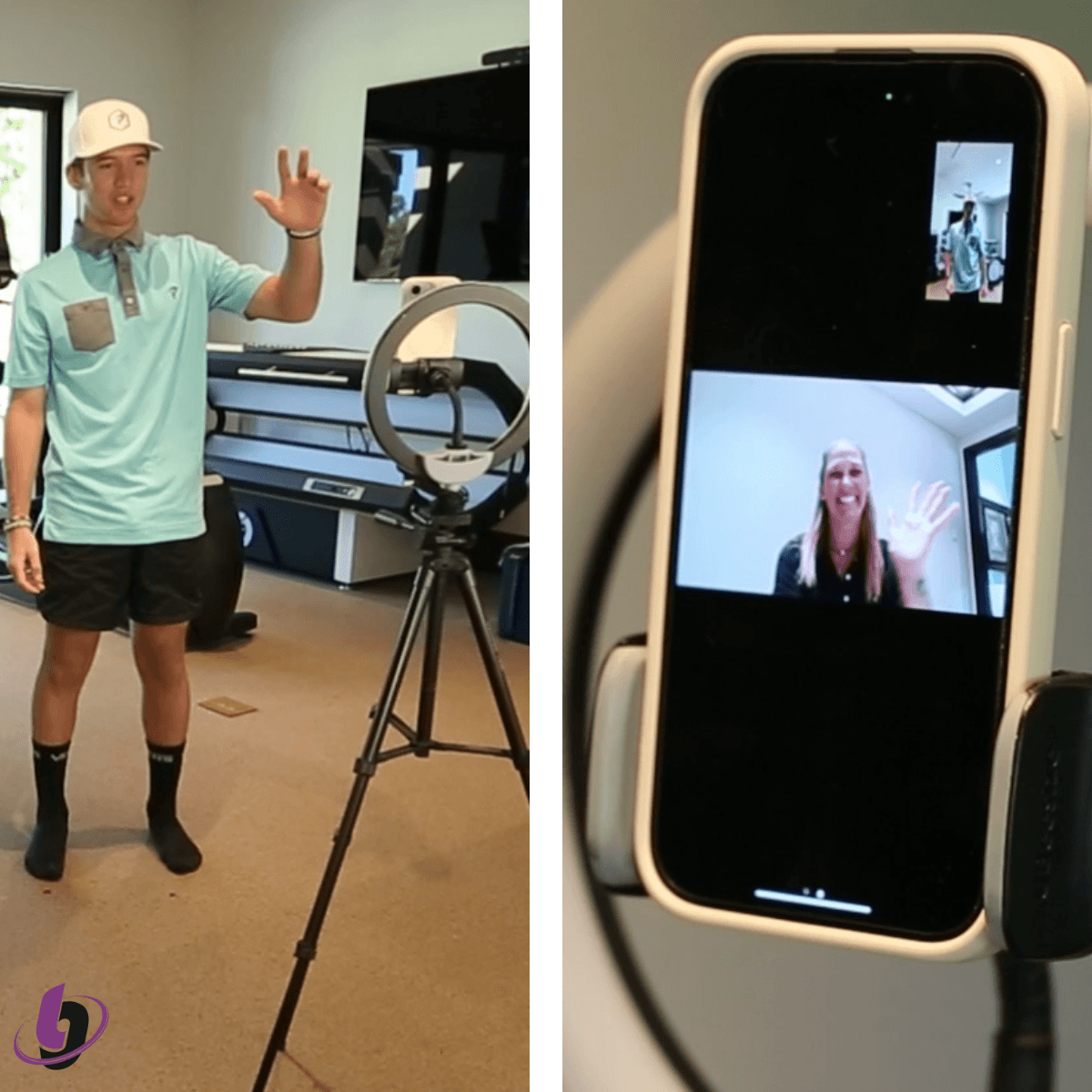
Why Golfers Need To Be Physically Assessed
Introduction: Golf Fitness And Your Golf Swing
A golfer might take lessons, try a new swing plane, or even attempt to optimize their swing with more repetitions, but the same issues keep coming back. The problem isn’t always technique. Often, the problem is invisible: hidden physical limitations that directly affect the swing.
Without a structured physical evaluation, your Swing Coach is forced to guess their way through your swing faults. Even the best PGA Professionals can’t see what your joints and muscles are capable of.
You might not have a bad swing.
You might not need to analyze your swing.
You probably have a body that simply hasn’t been measured yet.
Your game of golf is directly connected to your physical fitness. The way your body can or can't move affects the swing. If you want to improve physical performance and control your golf ball - you need to control your body during the golf swing.
In this article, you’ll learn why thoughtful screening by movement professionals backed by real science research and structured movement analysis - is the key to helping golfers improve their game, enhance performance, and prevent injuries long-term.
What Is A Golf Specific Assessment?
Also referred to as a fitness assessment, physical screen, or fitness program; it is a structured evaluation of a player's mobility, stability, balance, coordination, strength and body control. It measures the physical requirements needed to swing a club safely, consistently, and powerfully.
Most golf assessments are rooted in systems like...
TPI Golf Assessment, FMS and Ground Reactions
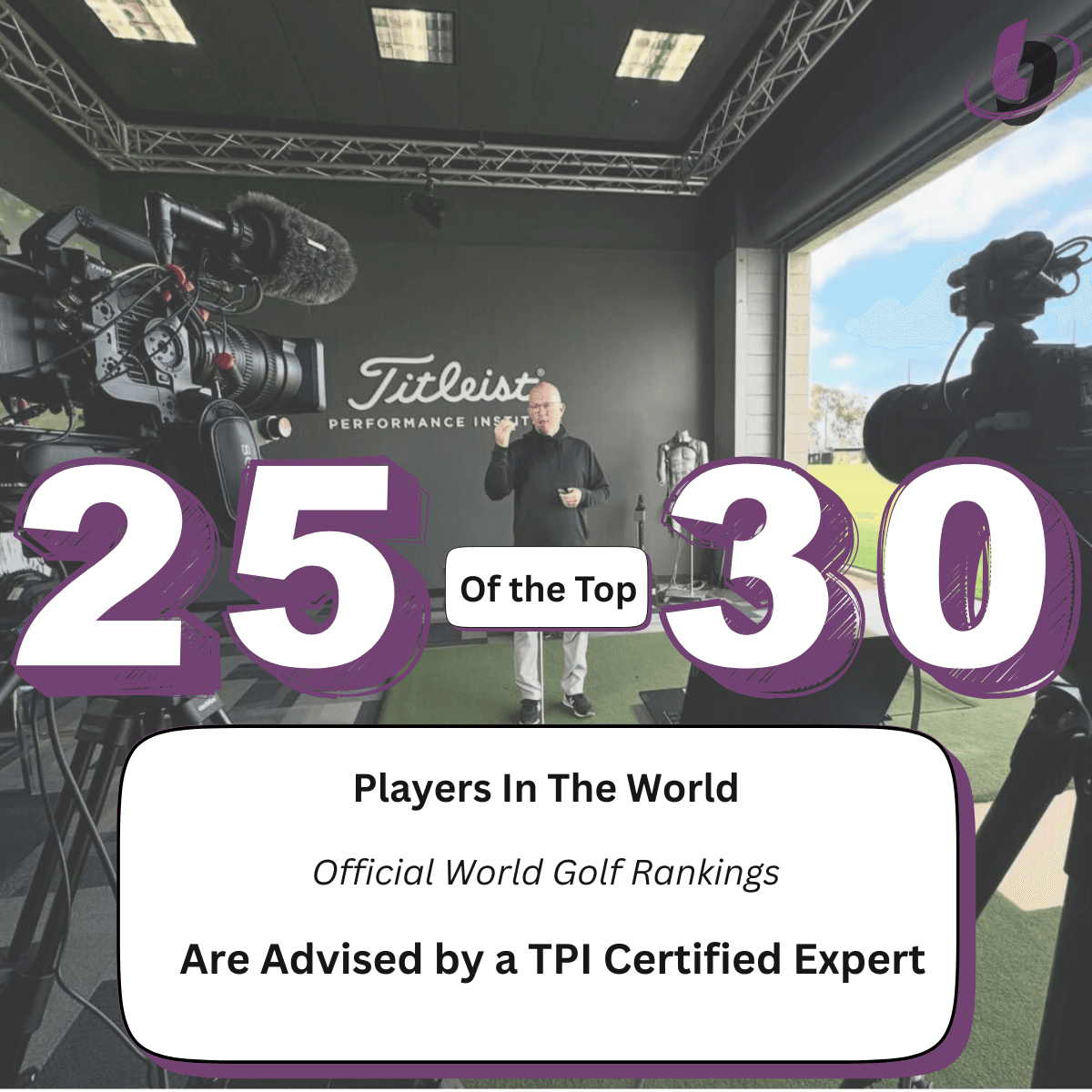
TPI Golf Assessment
Developed by the Titleist Performance Institute, their assessment includes roughly 16 physical tests that evaluate range of motion, pelvic control, spine function, shoulder rotation, and stability. A TPI certified fitness specialist or medical professional performs a systematic series of physical tests and connects the findings to the TPI App to generate a corrective course.
A TPI assessment evaluates how the body moves and how physical limitations relate to the golf swing. This system has been used by thousands of golf professionals, trainers, physical therapists, and professionals around the world.
The Golf Specific Functional Movement Screen
This system analyzes the physical capabilities as they relate to the swing—including pelvic tilt, pelvic rotation, torso rotation, balance, and core engagement. Built on principles of functional movement the GSFMS identifies physical causes behind common swing faults.
This system is rooted in functional movement principles—helping both amateur golfers and recreational golfers understand key physical attributes that affect the swing.
Force Plate + Biomechanics Profiling
High-level facilities may use force plates and advanced systems to measure:
- Ground-reaction forces
- Weight shift in the backswing and downswing
- Timing and sequencing
- Ability to swing the club with efficient pressure and force transfers
- If you can create rotational power efficiently
- Whether your ground-reaction timing supports maximizing clubhead speed
These tests reveal how a golfer uses the body during the swing, and how variables can create inefficiencies of energy generation and transfer.
A Golf-Specific Assessment Is Not A Workout.
It is measurement. This deeper level of physical profiling and golf biomechanics analysis helps golfers maintain consistency and avoid unnecessary strain. It reveals the range of capabilities, physical strengths, and physical capacities of players to produce an efficient golf swing. This way coaching and training are no longer guesswork.
Every Golfer Needs A Fitness Assessment
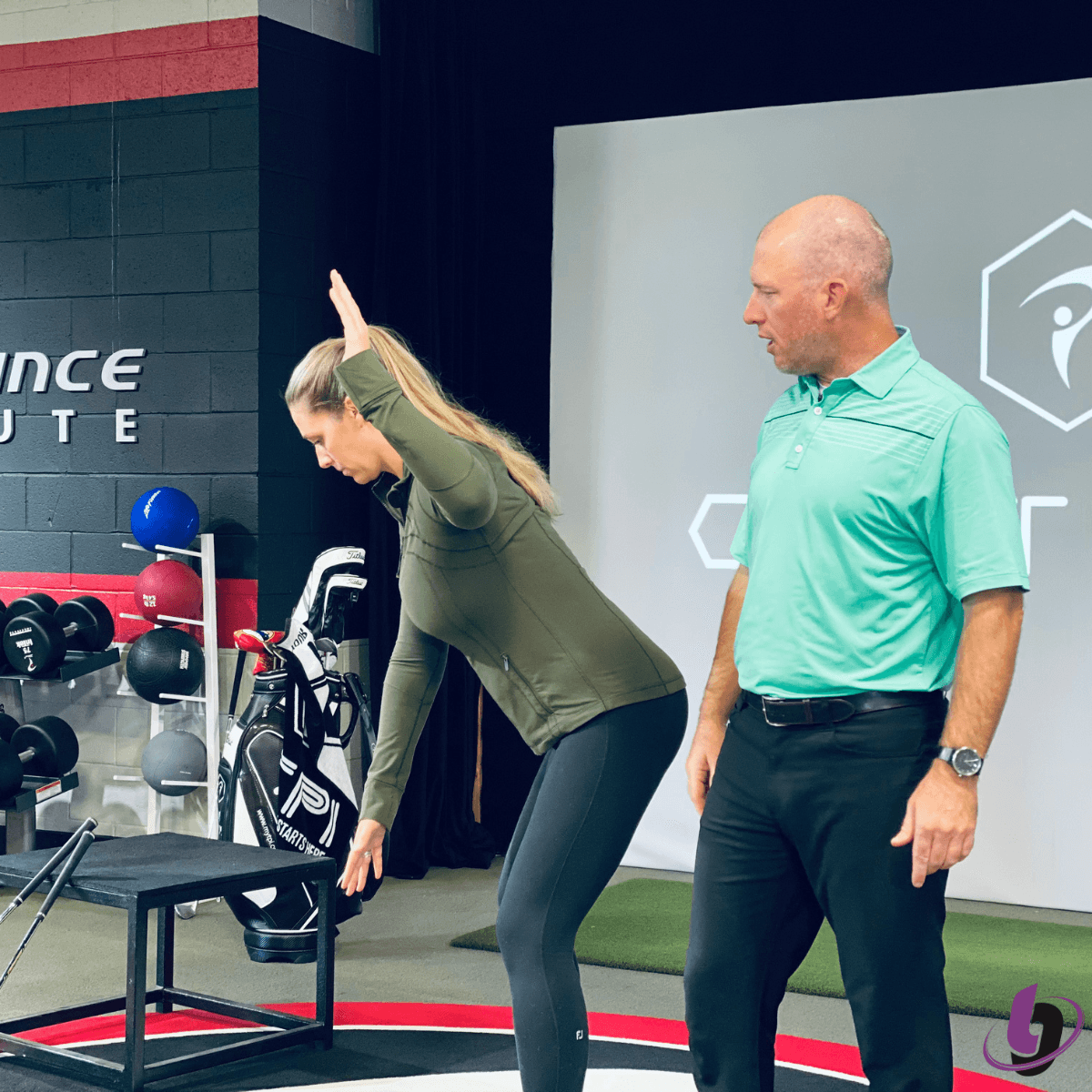
Most Golf-Specfic Screenings Include:
- Detailed history and goals
- Movement tests
- Torso and pelvic rotation
- Overhead squat
- Toe touch
- Single-leg balance
- Wrist and forearm function
- Rotational range of motion
- A portion of this test performed dynamically to analyze timing
You may also be asked to swing a club while the professional evaluates swing mechanics and how physical limitations affect the swing.
Golf Performance Improves with:
- A written or digital report of findings
- A prioritized list of the top 3–5 limitations
- A personalized fitness training plan
- Guidance on exercises, and strength progressions
- Recommendations for how often to reassess
The result is a blueprint that can help a golfer improve their game without guesswork.
How Biomechanics Improve Clubhead Speed And Golf Swing Performance
Movement Scores Predict Performance
Some research suggests that certain capabilities—especially pelvic rotation, lower body control, and torso rotation—predict up to 31% of measurable golf performance among competitive golfers.
Other research correlates:
- Better rotational mobility = better driver performance
- Greater wrist flexibility = more consistent ball striking
- Improved pelvic rotation = lower handicaps
In short, the golfer’s physical condition directly influences swing performance.
Physical Causes Behind Common Swing Faults
Common swing faults—such as early extension, loss of posture, over-the-top moves, reverse spine angle or inconsistent swing plane—are often tied to:
- Limited hip mobility
- Restricted thoracic rotation
- Weak core stability
- Poor lower body sequencing
- Limited shoulder or lat mobility
Screening links these limitations to predictable swing mechanic characteristics through what TPI calls the “body-swing connection.”
This gives the golfer precise targets, such as:
- “Increase internal hip rotation by 10 degrees”
- “Improve thoracic rotation by 15–20 degrees”
Instead of vague cues like “stay in posture” or “turn more,” you get actionable, physical constraints to address with your fitness team.
Reduce Pain And Prevent Golf Injuries
Screening identifies asymmetries, mobility gaps, and compensation patterns that increase stress on:
- The ankles
- The hips
- The thoracic spine
- The shoulder
- The upper cervical
- The wrists
Golf is a physically demanding sport. Poor mechanics are often caused by physical limitations that can lead to chronic golf injuries. Early screening allows golfers of all ability levels to protect their bodies and play golf longer with fewer setbacks.

Why A Golf Fitness TPI Assessment Is the Missing Step
Generic Routines Won't Optimize Your Swing
Without an assessment or TPI screen, many golfers follow generic fitness routines that never address the underlying issue. For example:
- Stretching hamstrings when the real issue is hip mechanics and positioning
- Strength-training the core when the limitation is upper-body rotation
- Practicing drills that don’t match abilities
Assessment identifies root causes of lower back pain that can lead to injuries. Assessment can help reduce pain for anyone who plays golf.
Physical Assessment can help eliminate months or years of trial-and-error.
How Assessment Improves Swing Mechanics
Golf instructors and PGA professionals rely on assessment data to:
- Set realistic expectations
- Choose correct swing drills
- Customize swing models
- Avoid asking for movements the golfer cannot yet perform
This is how you optimize your swing based on your actual physical capabilities as they relate to the golf swing.
Common Golfer Objections—And The Real Truth
“I don’t have time.”
Assessments can take anywhere between 20-60 minutes depending the expertise and the insights can guide training for months.
“I’m not in the PGA.”
Amateur golfers and recreational golfers often benefit the most from structured screening.
“I just need lessons.”
Lessons teach you what to do.
Assessments tell you whether your body can physically do it.
“It will be too expensive.”
Your body should be looked at as an investment, not a cost. Even one assessment can change your entire golf game for the better and create real results.
“I don’t want to rebuild my swing.”
Assessment doesn’t rebuild your swing—it simply improves your ability to swing the club with less stress and more strength and power.
What A High-Quality Physical Assessment Report Should Include
A strong fitness assessment report for every golfer:
- Account of injury history
- Clear findings in mobility, stability, strength, and balance
- A direct explanation of findings
- Prioritized “Big Limitations”
- A personalized physical training program
- Drills and corrective work supporting goals
- Recommendations for when to reassess
This ensures you always know the best way to swing a golf club based on your physical reality—not guesses.
Checklist To Improve My Game
Preferably work with:
- A TPI Certified trainer, physical therapist, or medical professional
- Someone trained in golf-specific fitness
- A professional who 'speaks golf' and can collaborate with your Swing Coach.
Ask questions like:
- Do you provide a written report?
- How often should I reassess?
- Will you collaborate with my coach?
- This ensures your golf performance plan stays aligned.
Build a Better Golf Game: Your 5-Step Action Plan
- Clarify your goals — distance, pain reduction, consistency, longevity.
- Book a golf-specific physical assessment with a qualified provider.
- Share your report with your Swing Coach.
- Follow a 6–8 week corrective block based on your top limitations.
- Reassess annually or after major changes to your swing or health.
This is how golfers enhance performance and prevent injuries long-term. Health and fitness is for golfers of all skill levels.
Schedule your free strategy call to learn more about how we work with golfers.