
The Hip Mobility Blueprint for a Powerful and Consistent Swing in Golf
In golf, distance and consistency are rarely limited by effort alone. Many golfers work hard, practice often, and still feel capped—especially off the tee. That frustration usually isn’t caused by a lack of intent or coaching. It’s caused by how the body manages force.

This blueprint explains how hip mobility, control, and strength influence the golf swing, why the lower body must work in sequence with the upper body, and how improving the ability to rotate the hips can restore lost distance, stability, and confidence on the tee.
Golf, the Ground, and How Power Is Actually Generated
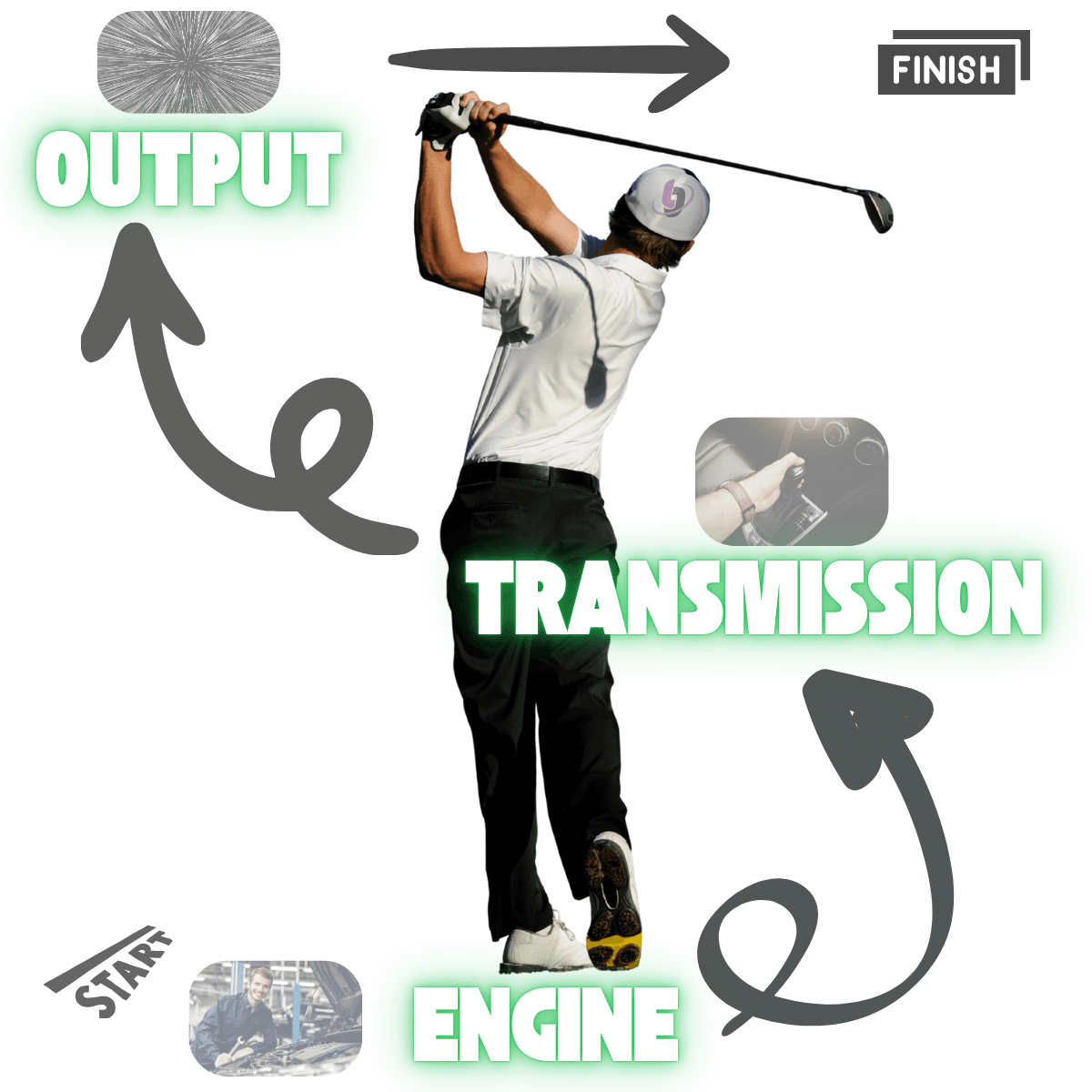
In the golf swing, power does not originate from the arms or the club head. It begins with how the body interacts with the ground. Ground reaction force allows the golfer to push into the turf and receive force back, which can then be redirected into rotational, lateral, anterior/posterior, and vertical forces.
That force travels upward through the lower body, across the pelvis, and into the torso, arms, and golf club. When this system is coordinated, generating power feels effortless. When it isn’t, loss of power becomes unavoidable.
Many golfers unknowingly break this chain due to stiffness, limited range of motion, or poor motor control and stability joint stability in the hips.
Hip Mobility and Why It Matters in the Golf Swing
Hip mobility is not about being flexible for flexibility’s sake. It’s about having enough usable motion at the hip joint to meet golf swing demands without compensation.
Good hip mobility allows the hips to rotate smoothly in the backswing and accept force during transition. Without it, the body searches for motion elsewhere—often in the lower back or knees—leading to compensatory movements and eventual overuse.
This is why good hip mobility consistently appears in assessments used by the Titleist Performance Institute and modern golf fitness training models.
The Golfer’s Transmission: How the Hips Control Motion
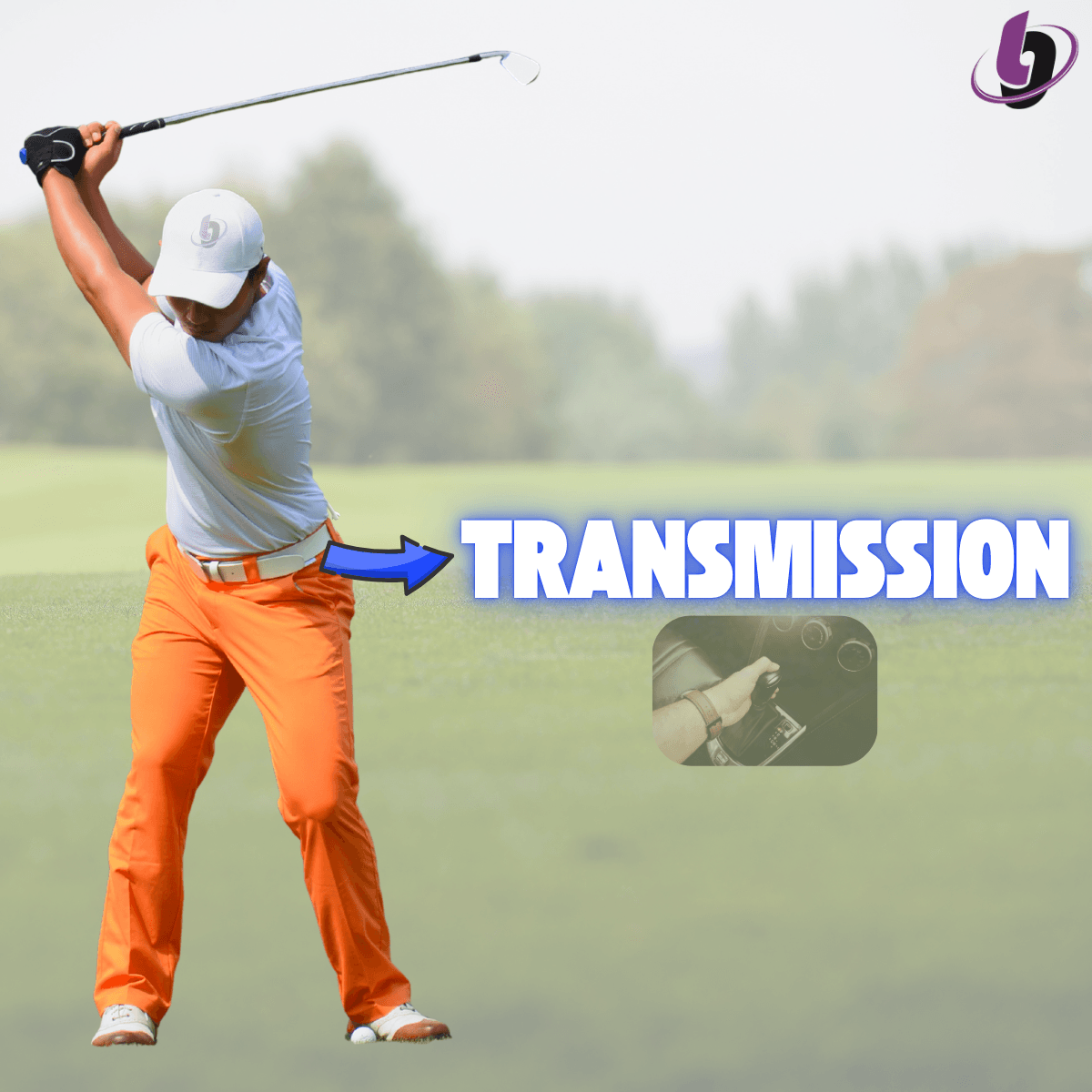
Think of the hips as the transmission of the swing system. The ground produces force, but the hips decide how that force is transferred.
Limited hip rotation—especially limited hip rotation under speed—prevents proper sequencing. When a golfer cannot rotate the hips independently, the upper body often takes over early, disrupting the swing plane and forcing the arms to work harder to hit the ball.
This breakdown often shows up as loss of posture, inconsistency, and lost distance.
Every Drive Depends on Hip Rotation and Control
Every drive starts with the body in an athletic setup: feet shoulder-width apart, knees and hips bent, and proper posture and alignment established before motion begins.
From there, the backswing requires controlled hip rotation away from the target, while maintaining core stability and balance. During transition, the ability to rotate the hips toward the target—while the torso briefly resists—creates proper sequencing and increases club head speed.
A controlled hip allows the trail leg and lead leg to work together rather than fight each other.
Why Many Golfers Plateau Despite Practice
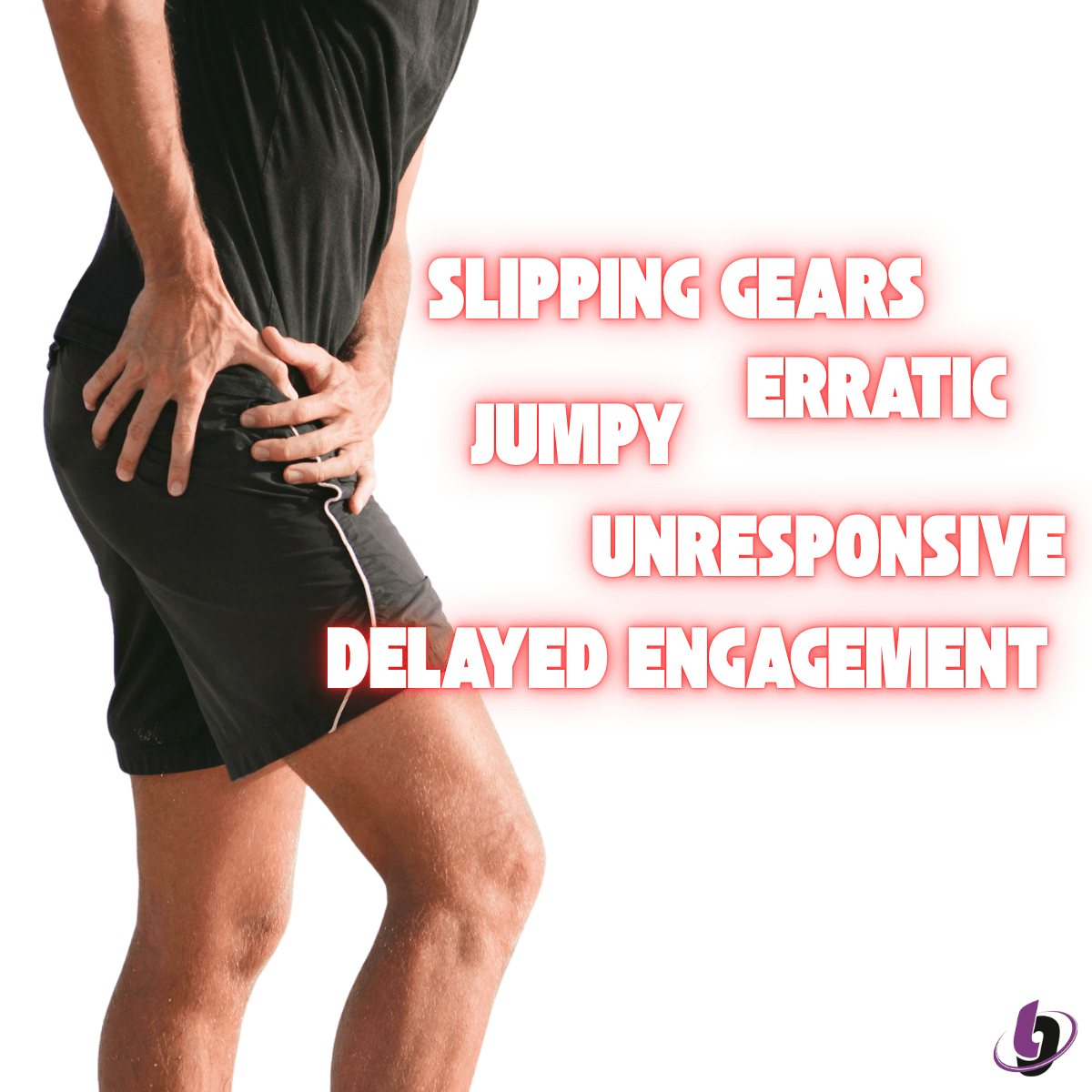
Many golfers reach a point where technical work no longer produces gains. The issue is rarely knowledge. It’s physical ability.
A tight hip flexor, restricted internal rotation, or limited external rotation reduces the ability to rotate right and left freely. Over time, stiffness leads to compensatory patterns that feel “normal” but quietly reduce driving distance and increase injury risk.
This is also where lower back pain and overuse injuries often begin.
How Hip Limitations Show Up on the Course
On the course, these limitations appear as familiar problems:
- Difficulty staying smooth and controlled
- Trouble maintaining posture throughout the swing
- Inconsistent contact with the golf ball
- Loss of balance when trying to drive the ball harder
Performance on the course suffers not because the golfer lacks intent, but because the system cannot support speed.
Mobility Drills That Support the Blueprint
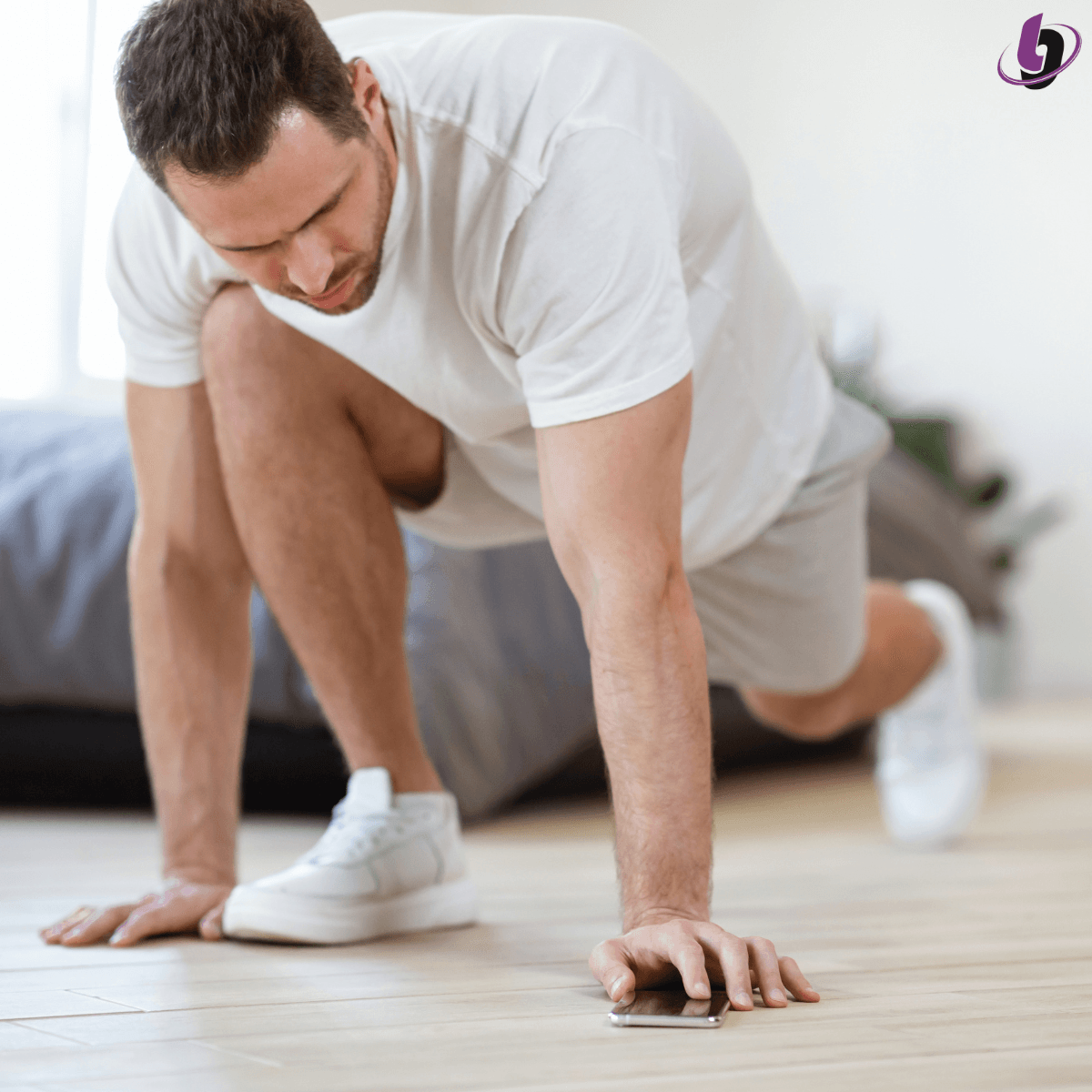
Mobility drills must serve a purpose. Random stretching does not enhance your golf game.
A properly chosen drill restores range of motion where it’s needed and reinforces control where force is transferred. One effective example is a lunge variation that opens the hips while maintaining stability through the trunk.
Another drill may involve controlled rotation patterns that challenge the hip rotator while keeping the spine neutral.
These drills help improve hip function without encouraging compensatory movements.
Strength Training That Protects Speed
Mobility alone is not enough. Strength training gives the hips the capacity to manage force.
Exercises such as deadlifts and hip hinge patterns strengthen the glute, hamstring, and surrounding hip muscles. This improves joint stability and reduces the risk of breakdown under speed.
A strength training program that respects swing mechanics supports an injury-free path toward better performance.
From Drills to a Training Program
To enhance your golf, exercises must be organized into a training program—not performed randomly.
A program designed for golfers should:
- Improve hip range of motion
- Build stability and balance
- Reinforce proper sequencing
- Reduce the risk of overuse injuries
Training three times per week is often sufficient to see progress without overload. This approach reduces the risk of flare-ups while building resilience.
Key Positions and Movement Quality
Quality matters more than volume. In each drill, focus on key positions rather than speed.
Movements should remain smooth and controlled, with attention paid to where the pelvis is relative to the thoracic spine. This ensures the hips can transmit force without forcing the spine to straighten or collapse.
Soft tissue work may support this process, but it should not replace movement-based solutions.
A Practical Example from Setup to Finish
Imagine setting up on the tee. Your right foot applies pressure into the ground as the club moves away. The hips rotate away from the target, storing energy.
Prior to the downswing beginning, force shifts, the opposite knee accepts load, and the hips begin to unwind. When this happens in sequence, clubhead speed increases naturally, and every drive becomes more repeatable.
That’s how you hit the ball with less effort and more control.
Why This Blueprint Helps Golfers Long-Term
This blueprint exists to help golfers build a powerful and consistent swing without chasing swing thoughts endlessly.
By improving hip mobility, reinforcing strength, and respecting biomechanics, golfers can:
- Recover lost distance
- Reduce injury risk
- Improve consistency
- Maintain performance over time
This approach supports long-term development rather than short-term fixes.
Final Thought: Building a Better Swing System
Golf rewards efficiency. When the hips can move freely, control force, and support rotation, the rest of the swing simplifies.
This blueprint is not about forcing positions—it’s about building capacity. When the body supports the motion, performance follows naturally, swing after swing, tee after tee.