
The Golf Swing and Thoracic Spine Rotation: The Hidden Key to Clubhead Speed


A powerful swing is not created by effort. It is created by how well the body can rotate, transfer force, and sequence motion through the kinetic chain. While many golfers focus on hip speed or shoulder turn, the thoracic spine often determines whether that power ever reaches the golf club.

The thoracic spine sits between the hips and shoulders and acts as the primary conduit for energy. When thoracic spine rotation is limited or poorly timed, the swing becomes inefficient, speed leaks occur, and consistency disappears.
This article explains how the thoracic spine influences swing mechanics, why rotation and sequence matter more than raw flexibility, and how targeted drill selection can unlock velocity while reducing strain.
Why the Thoracic Spine Matters in the Swing
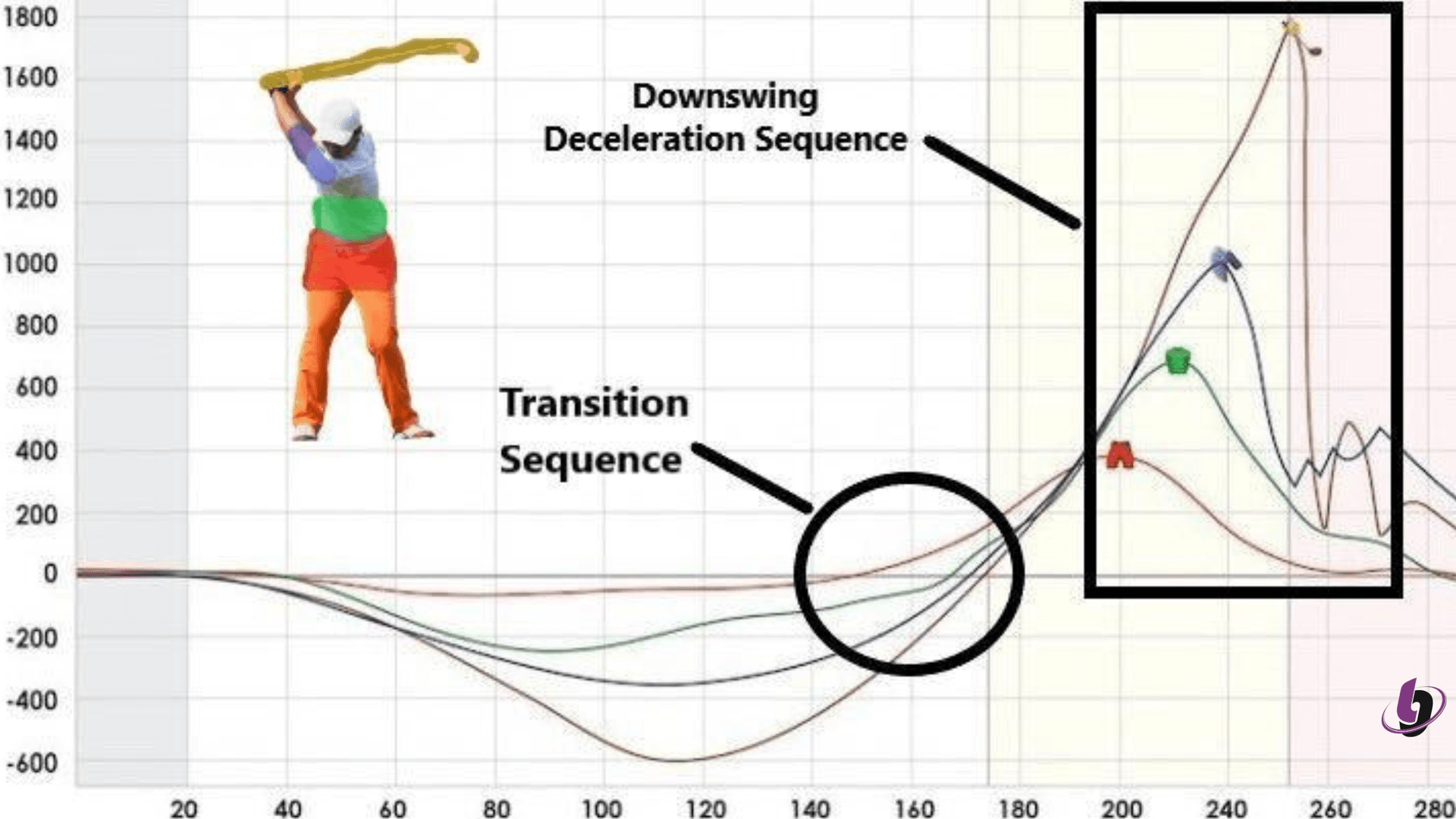
A functional golf swing depends on the body’s ability to rotate segments independently while staying coordinated as a system. The hips initiate motion, the trunk follows, and the arms and golf club respond.
The thoracic spine is designed to rotate. The lower back is not. When thoracic mobility is limited, rotation is stolen from the lumbar spine or forced into the shoulders, creating inefficiency and increasing strain.
An efficient swing allows the thoracic spine to rotate over a stable pelvis, maintaining posture while enabling speed. This is not about turning more; it is about turning where the body is designed to turn.
The Role of Rotation and Sequence in Golf Swing Speed
Speed in the golf swing is built through sequence. The pelvis accelerates first, followed by the trunk, then the arms, and finally the golf club. This order allows energy to transfer cleanly and creates lag without forcing it.
Research consistently shows that elite players generate higher velocity not because they move faster everywhere, but because they move in a more coordinated manner. When rotation is mistimed, energy leaks occur and club head speed drops.
Thoracic rotation allows the trunk to accelerate and then decelerate, which is essential for transferring torque to the arms during the downswing. Without this deceleration, speed cannot be passed forward efficiently.
How the Thoracic Spine Coordinates with the Hip
The hips and thoracic spine must work together, not as a single block, but as coordinated segments. Hip rotation initiates the sequence, while thoracic spine mobility allows separation to occur without losing balance.
When the hip and thoracic relationship breaks down, several compensations appear:
- Excessive shoulder dominance
- Forced arm speed
- Loss of pivot control
- Breakdown in consistency
Efficient sequencing depends on the ability of the thoracic spine to rotate independently while the hip maintains stability and direction.
Swing Faults Created by Limited Thoracic Rotation
When thoracic rotation is restricted, the swing adapts. These adaptations often look like technical problems, but they are movement limitations.
Common patterns include:
- Shortened backswing due to restricted trunk turn
- Overactive shoulder lift to fake rotation
- Early extension which diminishes space
- Poor impact position from timing breakdowns
These faults are rarely solved through cues alone. Without restoring thoracic spine mobility, the swing remains constrained.
Thoracic Spine Mobility vs. Flexibility
Mobility is not passive flexibility. Thoracic spine mobility is the ability to rotate under control while maintaining posture and balance.
A golfer may appear flexible but still lack usable rotation in a swing-specific context. This is why mobility drills must be paired with stabilization and sequencing work.
Thoracic mobility allows the body to rotate smoothly while preserving structure, enabling the golfer to generate speed without sacrificing control.
Drills That Actually Improve Thoracic Rotation
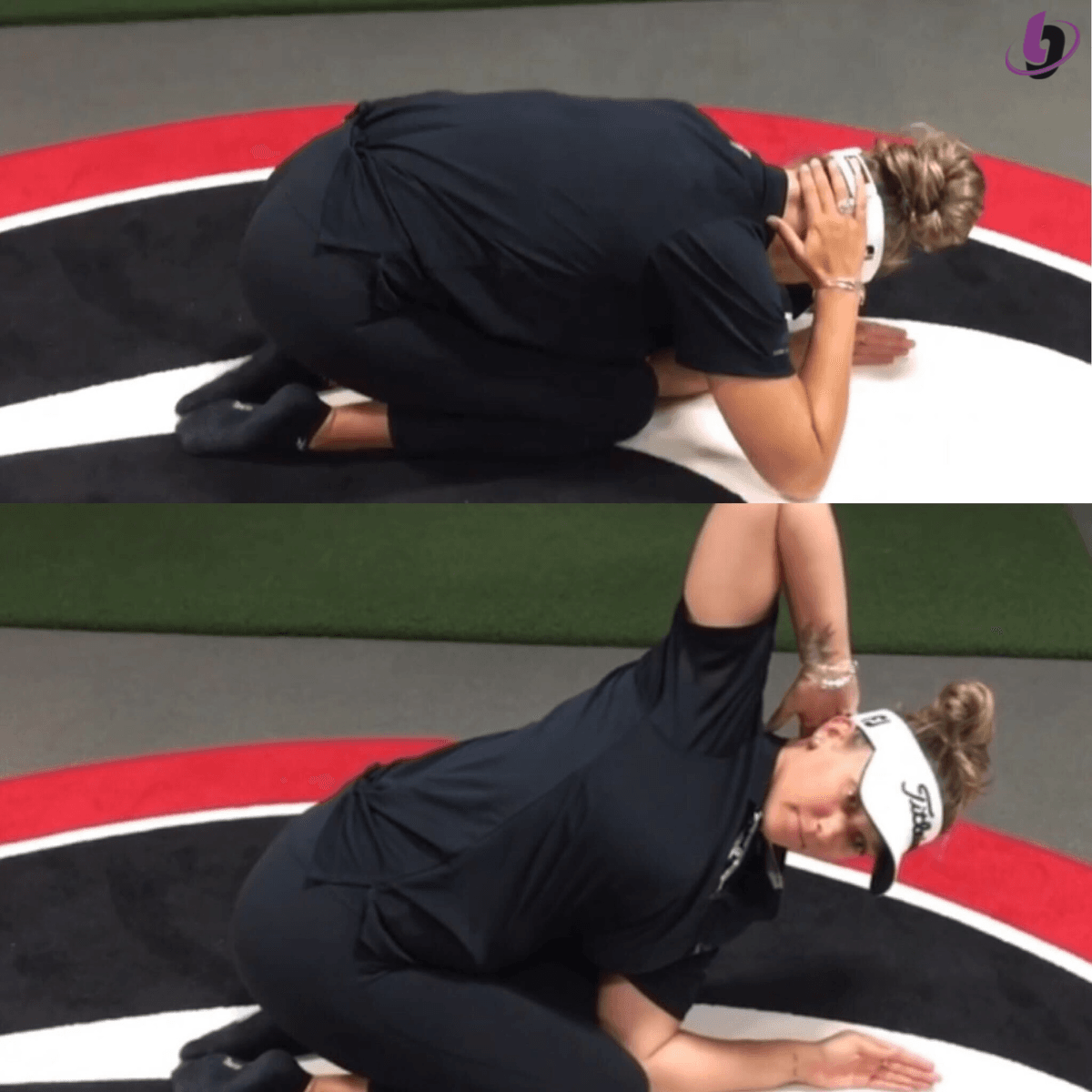
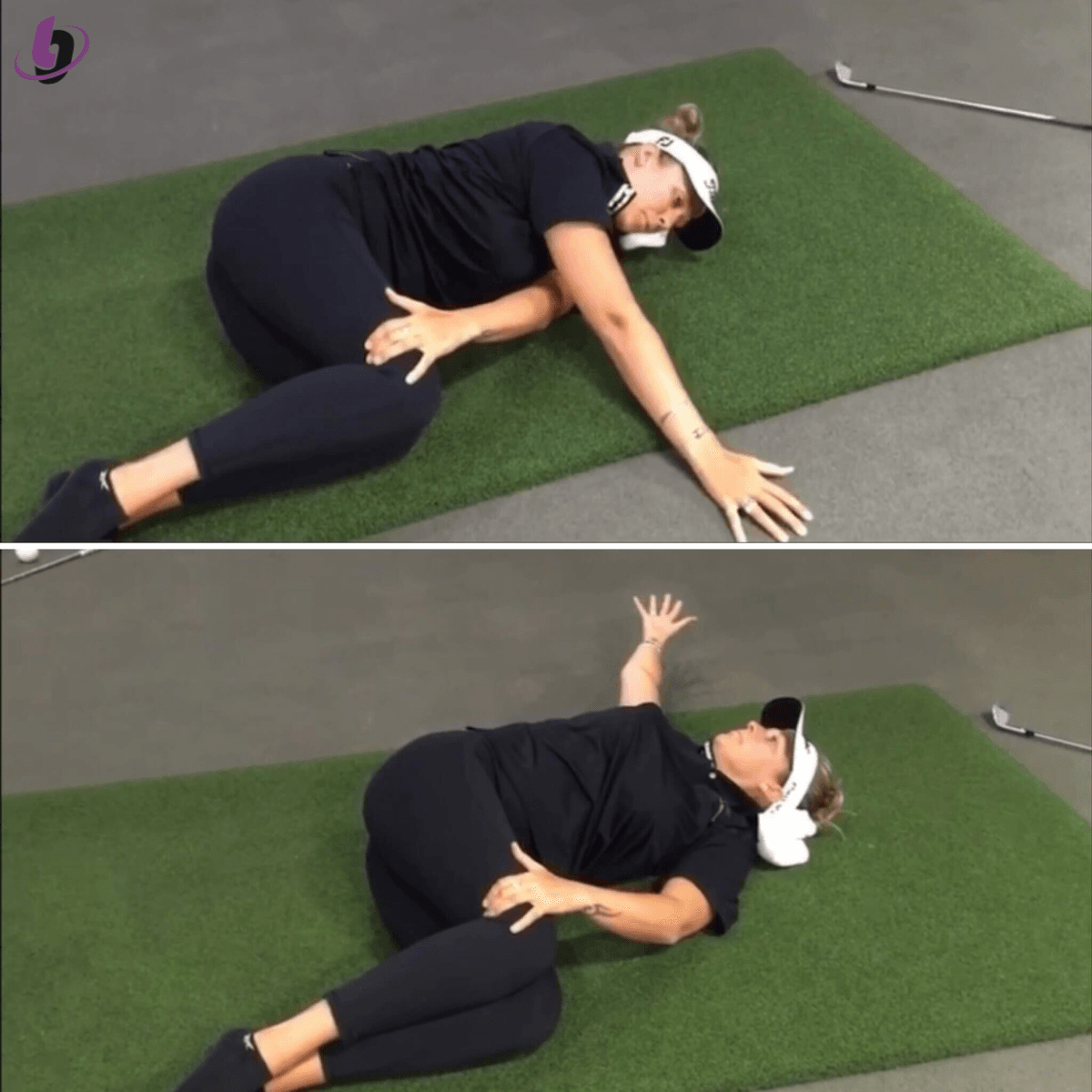
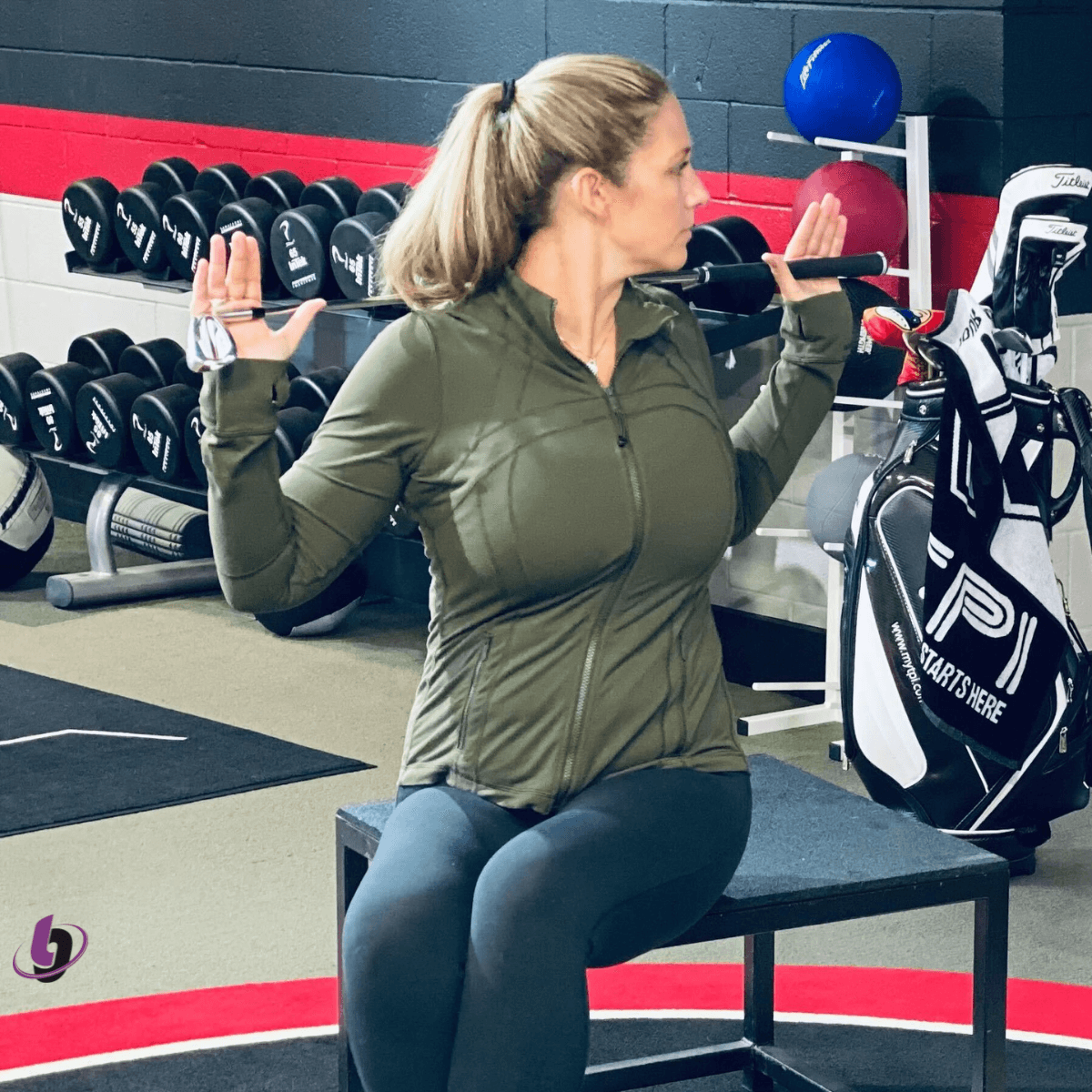
High-engagement content across Instagram and the world on YouTube consistently features a small group of drills that appear effective because they respect how the body moves.
Quadruped Reach-Back Drill
This drill isolates thoracic rotation while limiting hip movement (when done properly and coupled with core stability). It teaches the trunk to rotate without stealing motion from the lower back.
Benefits:
- Improves awareness of thoracic movement
- Reinforces separation
- Easy to scale for any phase of training
Kneeling Thoracic Rotation Drill
This drill encourages rotation through the ribcage while stabilizing the pelvis. It highlights asymmetries side to side and exposes inefficient movement.
Benefits:
- Enhances control
- Improves coordination
- Reduces compensatory motion
Standing Club-Across-Shoulders Drill
Using a golf club across the shoulders introduces posture and balance into rotation work.
Benefits:
- Reinforces swing posture
- Improves transfer to the full swing
- Easy to integrate before practice
Split-Stance Rotational Drill
This drill links hip stability with thoracic movement, reinforcing sequencing.
Benefits:
- Trains the posterior chain
- Improves torque development
- Supports repeatable motion
From Mobility to Efficient Sequencing
Mobility alone does not improve the swing. It must be integrated into sequencing drills that respect the order of motion.
A simple progression:
- Restore thoracic spine mobility
- Add controlled rotational exercise patterns
- Integrate sequencing with slow swings
- Increase speed while preserving mechanics
This approach allows the body to coordinate movement rather than forcing positions.
How Thoracic Rotation Affects the Downswing
During the downswing, the pelvis begins to decelerate as the trunk accelerates. This transfer of velocity is where clubhead speed is created.
If thoracic rotation is limited, the trunk cannot accelerate effectively, forcing the arms to compensate. This reduces lag, disrupts ball striking, and lowers golf swing speed.
Efficient sequencing allows the thoracic spine to act as a transmission, not a bottleneck.
Assessing Thoracic Spine Mobility
Before chasing speed, the thoracic spine should be assessed.
Simple screens include:
- Seated trunk rotation
- Quadruped rotation symmetry
- Standing rotational control in posture
An assessment identifies whether mobility, coordination, or sequencing is limiting performance.
Injury Risk and Long-Term Efficiency
When rotation is forced into the lower back due to limited thoracic mobility, strain increases. Over time, this raises injury risk and reduces training capacity.
Improving thoracic spine mobility contributes to reduced injury risk by distributing forces more evenly throughout the kinetic chain and applying them to the appropriate region.
A Framework to Unlock Speed and Consistency
To unlock performance:
- Restore thoracic spine mobility
- Coordinate hip and thoracic movement
- Sequence rotation correctly
Train velocity without losing control
This framework enhances efficiency, improves consistency, and supports higher clubhead speed without added effort.
Final Takeaway
A powerful swing is not built by swinging harder. It is built by rotating better, sequencing efficiently, and allowing the thoracic spine to do its job.
When the thoracic spine can rotate freely and coordinate with the hip, energy transfer improves, strain decreases, and speed becomes repeatable.
That is how elite players swing faster—without forcing it.