
Golf Swing Truth: Why Stretching Alone Won’t Fix Your Swing


Some golfers believe the fastest way to improve their golf swing is to stretch more. Tight hamstrings? Stretch. Limited backswing? Stretch. Inconsistent contact? Stretch again.
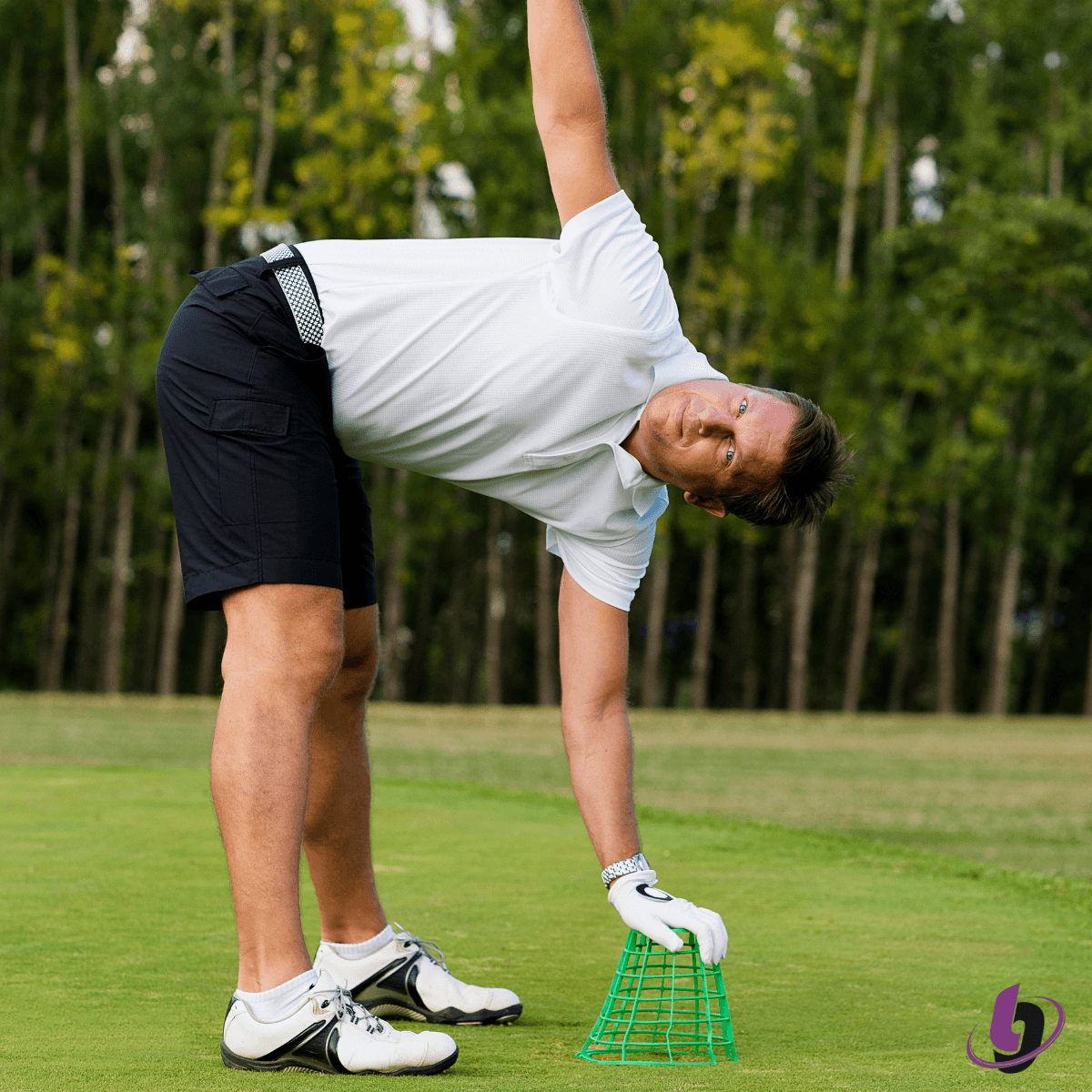
Stretching feels productive. It creates immediate sensation, temporary relief, and the impression that something important is happening. But when it comes to building a good swing that holds up under speed, research and coaching experience tell a different story.
Flexibility matters in golf—but stretch alone does not fix a swing. Without strength, coordination, and proper mechanics, added range of motion often fails to improve swing speed, control, or consistency.
This article breaks down why flexibility training by itself falls short, how mobility actually fits into golf performance, and what golfers should focus on instead.

The Stretch-More Trap in Modern Golf
Across every level of golf, the same pattern appears.
A golfer struggles to hit the ball solidly. A swing coach points out stiffness. The solution becomes a stretching routine—sometimes combined with foam rolling—performed daily.
Yet weeks later, the swing still feels restricted. Swing speed hasn’t improved. Ball flight remains inconsistent.
The issue isn’t effort. It is “misunderstanding”.
Flexibility is only one physical capability. A golf swing is a movement pattern, not a static position. Without the ability to control motion through strength and sequencing, increased range of motion does not automatically translate to a better swing.
What Research Shows About Stretching vs Strength in Golf
Golf Performance Is Not Built on Stretching Alone
Multiple studies comparing stretching, strength training, and combined programs reveal a consistent result:
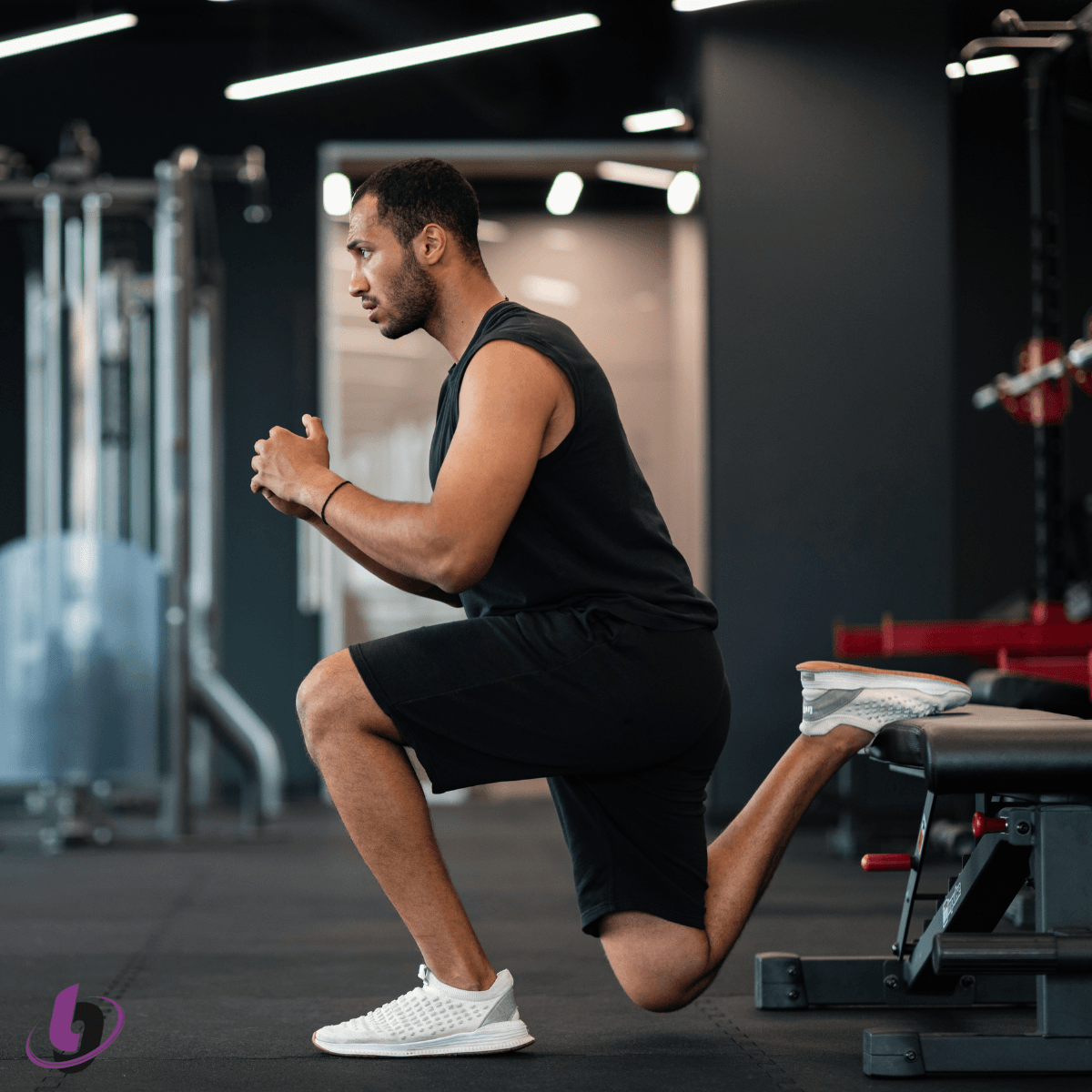
Strength training performed through a full range of motion improves flexibility as much as stretching—sometimes more.

In golf-specific research:
- Strength programs increased swing speed and head speed by measurable margins
- Driving distance improved without sacrificing mobility
- Range of motion often improved despite no dedicated stretch protocol
- This directly challenges the myth that lifting or building strength will impede a golf swing.
Strength training through end range, in many instances, reinforces control where it matters most—at speed.
Why Flexibility Alone Doesn’t Transfer to a Better Swing
Range of Motion Without Control Breaks Down
A full swing requires coordination between the lower body, pelvis, and upper body. Flexibility allows access to positions—but does not teach the body how to use them. A simple analogy might be the following; stretching is akin to opening a door to a room that you have long wanted to enter. Once that door is open, you still need to walk into that room if you want the full experience.
Golfers with excessive flexibility but poor strength often:
- Compensate in the downswing
- Lose posture
- Struggle with club face control
- Fail to sequence efficiently
At the top of the backswing, flexibility without stability often results in arching your back or over-rotating the hips and shoulders, rather than turning correctly through the pelvis.
Golf Swing Mechanics Demand Strength, Not Just Flex
Where Stretching Helps

- Stretching and mobility work help:
- Maintain joint health
- Reduce the effects of a sedentary lifestyle
- Offset age-related stiffness that makes movement difficult as you age
Flexibility allows the golfer to assume positions such as:
- Shoulder elevation with the left arm
- Hip flexion without lumbar strain
- External rotation at the lead arm and trail side
These are prerequisites—not solutions.
Where Stretching Falls Short
Stretching alone does not (necessarily):
- Increase clubhead speed
- Improve swing speed
- Enhance sequencing
- Build consistent golf performance
The average golfer often lacks strength in the glutes, hamstring complex, and core stability systems that support the swing.
Without building strength, additional flexibility can actually increase instability.
The Lower Body Reality Most Golfers Miss
Hamstrings, Glutes, and the Golf Swing

Hamstring length and strength influence pelvis control. Weak or over-stretched hamstrings allow the pelvis to tilt excessively during the backswing and downswing.
This often leads to:
- Early extension
- Loss of spine angle
- Reduced rotation efficiency
- Lower back pain
The glutes and hip flexor system—including the psoas—play a key role in controlling split stance stability and leg movement during a full swing.
Stretching these areas without strengthening them creates imbalance.
Why Long Hitters Aren’t Just Flexible
Look at the longest hitters on the PGA and long drive circuits.
Players like Rory do not rely on extreme flexibility alone. Their advantage comes from:
- Strength through range
- Powerful rotational force
- Efficient sequencing
- Control of the femur, pelvis, and trunk
They don’t just rely on flexibility —they generate force.
Stretching Myths Still Hurting Golfers
“I Just Need More Shoulder Mobility”
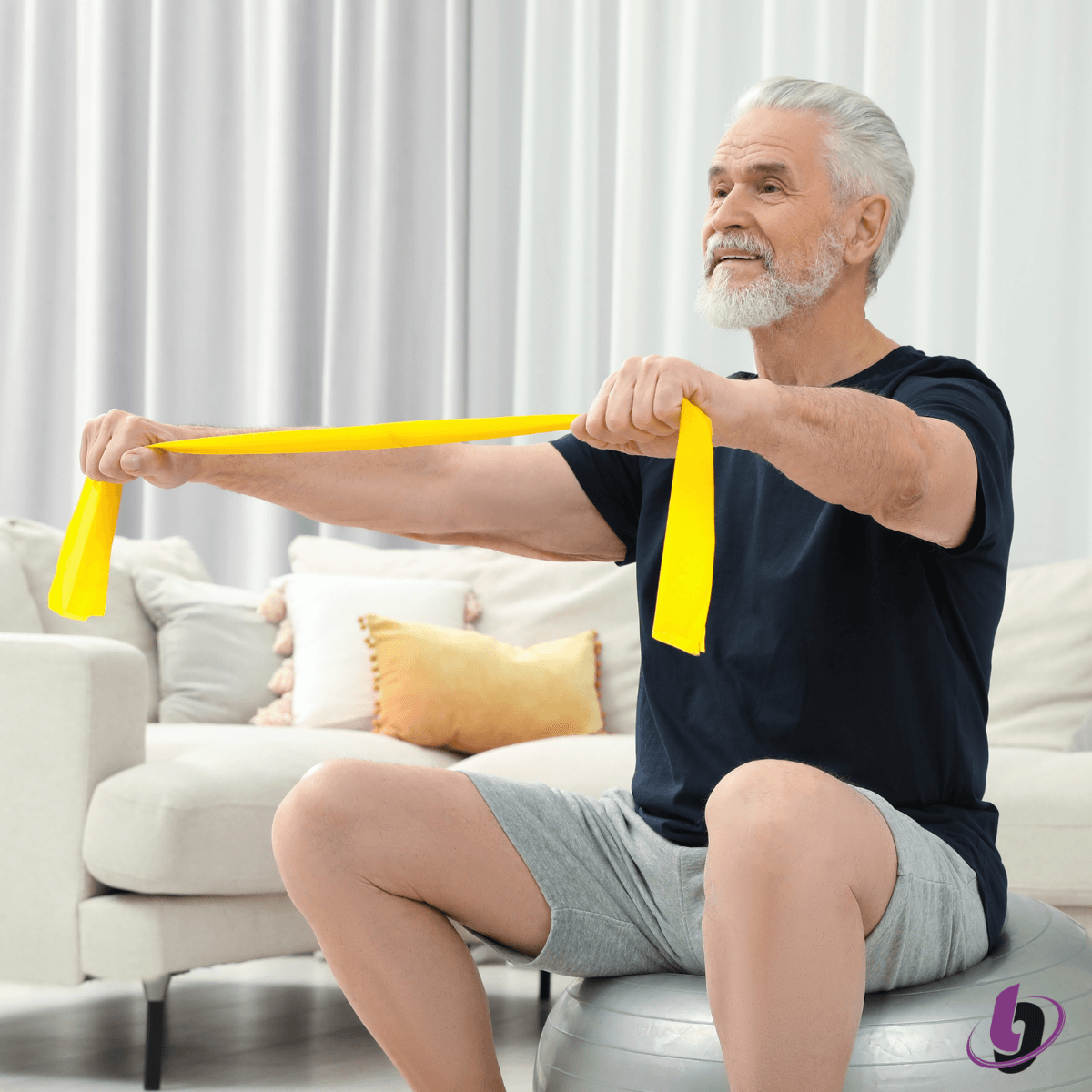
Limited shoulder mobility can impede a backswing, but excessive stretch without rotator and lat strength leads to instability.
Shoulder mobility must be paired with control of the forearm, rotator, and scapular muscles.
“Stretching Will Fix My Inconsistent Swing”
Inconsistent golf often comes from poor force transfer, not lack of flexibility.
A consistent golf swing requires:
Stable lower body
- Controlled upper body
- Coordinated rotation
- Proper mechanics under speed
- Stretching does not teach these skills.
Where Stretching Actually Belongs in Golf Training
Mobility With Intent
Effective mobility work:
- Targets true restrictions (hamstring, lat, hip flexor)
- Avoids aggressive end range stretching without strength
- Supports swinging a golf club more efficiently
Foam rolling and dynamic stretching have a place—but only as part of a larger system.
A Better Model Than “Stretch More”
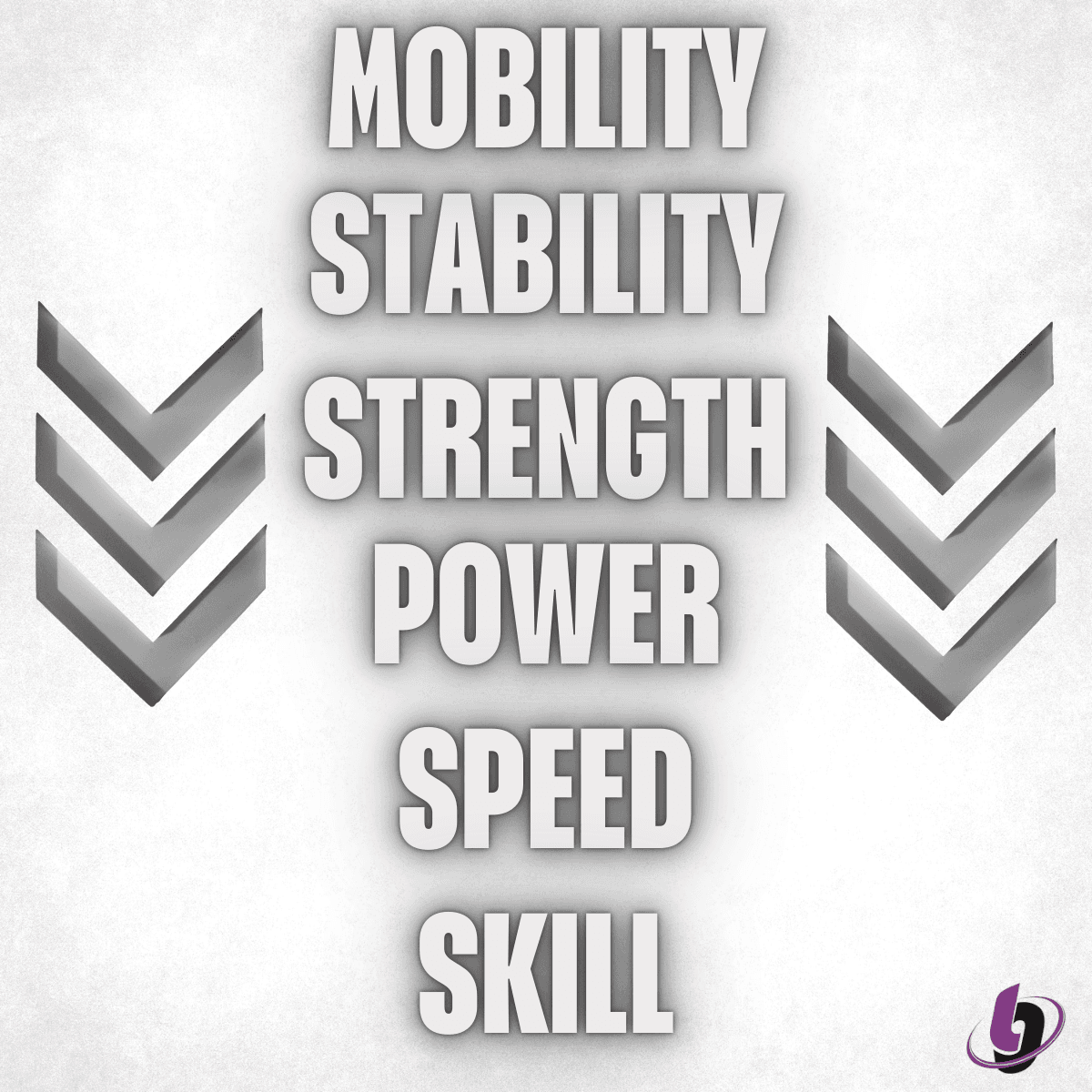
The Six Pillars of Golf Movement
- Mobility – Enough range of motion to assume key positions
- Stability - Ability to remain steady and balanced under external forces
- Building strength – Control force through that range
- Power – Convert strength into swing speed
- The rate at which muscular power can move body parts from one point to another
- Skill – Apply physical capabilities to the golf swing
Stretching supports pillar one. It does not replace the other five.
Practical Example: What Golfers Should Do Instead
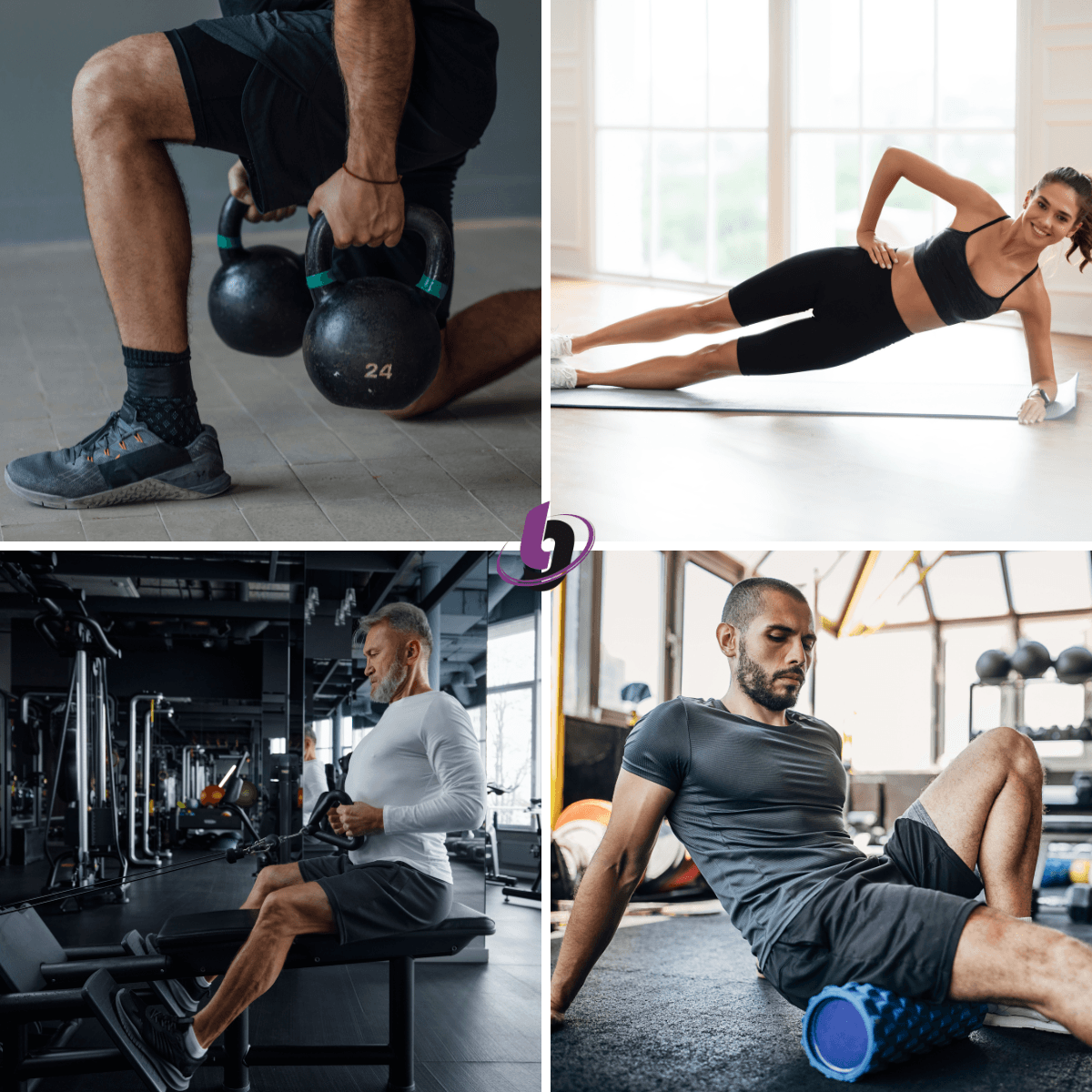
A simple weekly structure:
- 2–3 exercise sessions focused on lower body, glutes, and core stability
- Integrated mobility drills instead of isolated stretch sessions
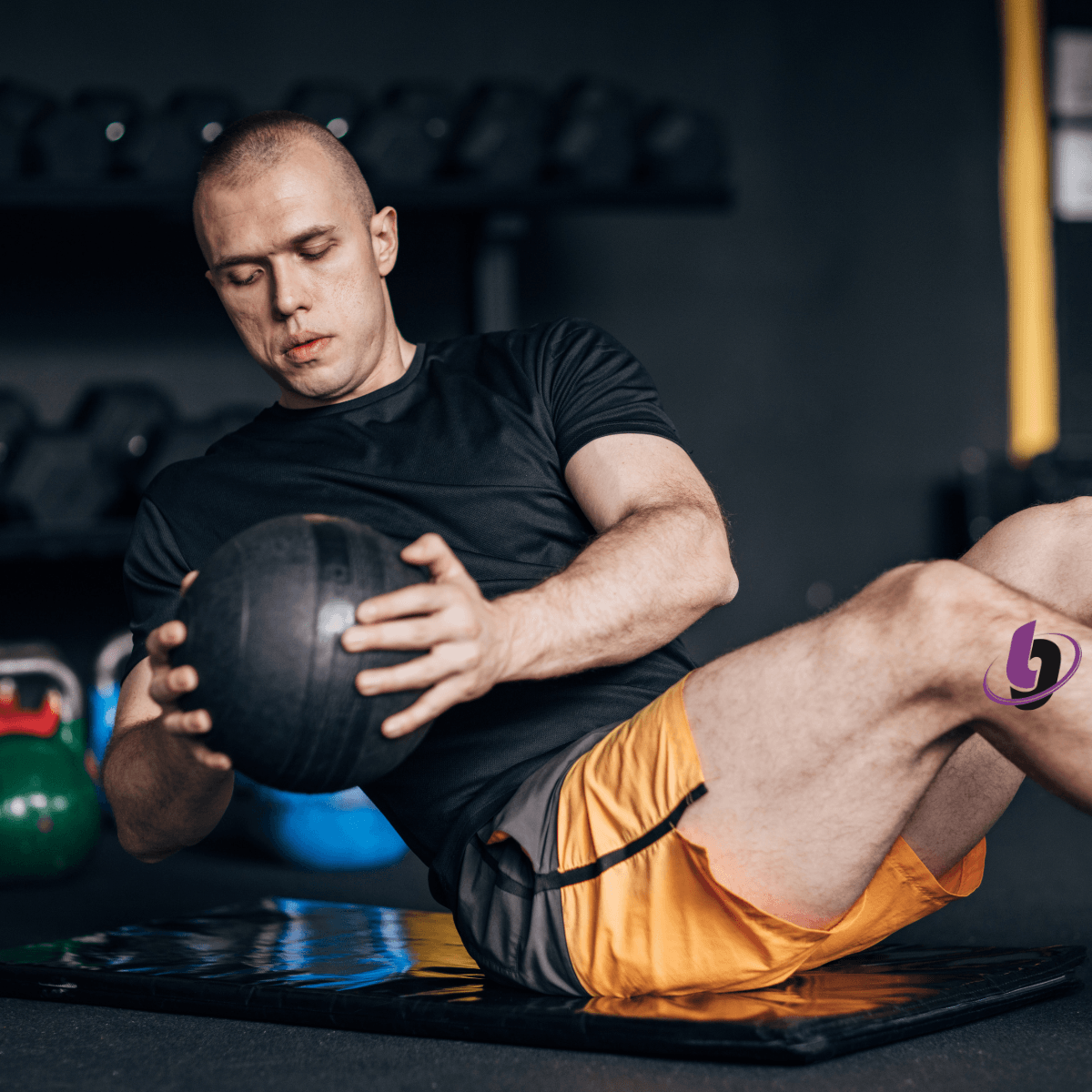
- Strength work that includes split stances, side plank variations, and rotational patterns
This approach improves swing mechanics without sacrificing flexibility.
Final Takeaway for Every Golfer

Stretching can help you move.
But stretching alone will not fix your swing.
A good golf swing is built on strength, coordination, and control—not just range of motion. When mobility supports strength instead of replacing it, golfers unlock a more powerful, repeatable, and pain-resilient swing.
That’s how you improve your golf—long term.